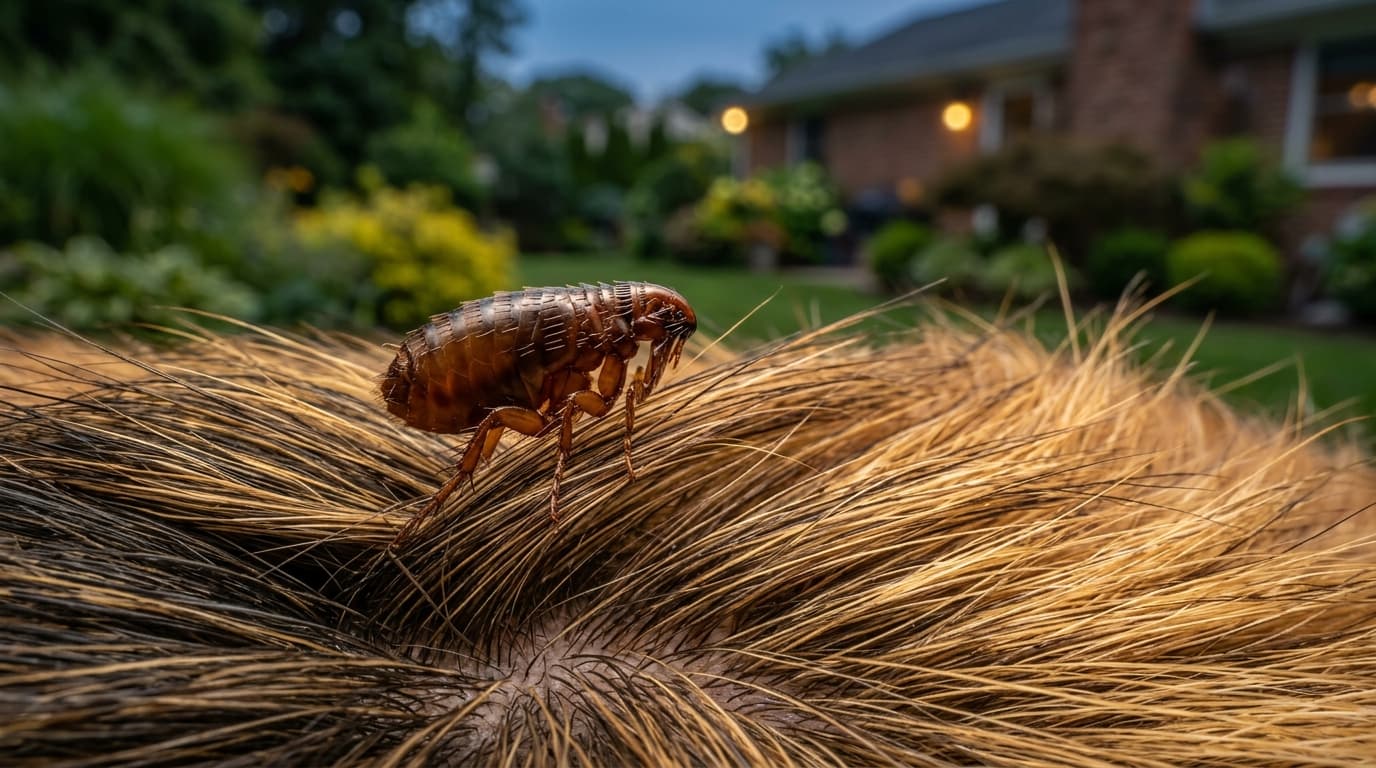
Effective Flea Treatment for Homes with Pets in Long Island
Fleas can be a significant nuisance, especially for pet owners in Long Island, NY. These tiny pests not only irritate your furry friends but can also invade your home, leading to discomfort for everyone. Understanding how to effectively treat fleas in homes with pets is essential for maintaining a healthy and happy living environment.
Understanding Fleas and Their Life Cycle
Fleas are small, wingless insects that feed on the blood of mammals and birds. The most common variety, the cat flea, can also infest dogs and humans. Their life cycle consists of four stages: egg, larva, pupa, and adult. Understanding these stages is crucial for effective flea control, as it helps homeowners know when and how to treat their homes and pets.
The Flea Life Cycle:
- Eggs: Laid on the host, they fall off into carpets or bedding.
- Larvae: Hatch from eggs and feed on organic debris before spinning cocoons.
- Pupae: Can remain dormant for weeks or months until conditions are right.
- Adults: Jump onto hosts to feed and reproduce, starting the cycle anew.
Signs of a Flea Infestation
It's important to recognize the signs of a flea infestation early on. Common indicators include:
- Frequent scratching: Pets may scratch or bite at their skin more often.
- Flea dirt: Small black specks in pet fur or bedding, which are flea feces.
- Red, irritated skin: Look for signs of allergic reactions on your pets.
- Presence of fleas: Spotting fleas on your pet or in your home.
Effective Flea Treatment Strategies
Treating fleas in homes with pets requires a multi-faceted approach. Here are several effective strategies:
1. Treat Your Pets
Start by treating your pets with veterinarian-recommended flea treatments, such as:
- Topical treatments: Applied directly to your pet's skin.
- Flea collars: Provide long-lasting protection.
- Oral medications: Kill fleas quickly after ingestion.
2. Clean Your Home Thoroughly
Regular cleaning can significantly reduce flea populations:
- Vacuum carpets and furniture: Pay special attention to areas where pets spend time.
- Wash bedding: Clean pet bedding and any fabric your pet comes into contact with.
- Use flea sprays: Consider using flea sprays specifically formulated for indoor use.
3. Treat the Environment
In addition to treating pets, you must also treat your home environment. This includes:
- Flea bombs or foggers: These can help eliminate fleas in hidden areas.
- Professional pest control: For severe infestations, consider hiring experts like Squito Pest Control.
- Regular outdoor maintenance: Keep your yard tidy to reduce flea habitats.
Preventing Future Infestations
Once you've tackled the current infestation, prevention is key. Here are some effective preventive measures:
- Regular vet visits: Ensure your pets are on preventative flea treatments.
- Consistent cleaning: Keep up with regular vacuuming and washing of pet items.
- Limit outdoor exposure: Be cautious during peak flea seasons, especially in grassy areas.
Need Help with Flea Control?
If you're facing a flea infestation in your Long Island home, don't hesitate to contact Squito Pest Control. Our experienced team is here to help safeguard your home and pets!
By taking a proactive approach and following these treatment strategies, you can effectively manage fleas in your home and create a comfortable living space for you and your pets.