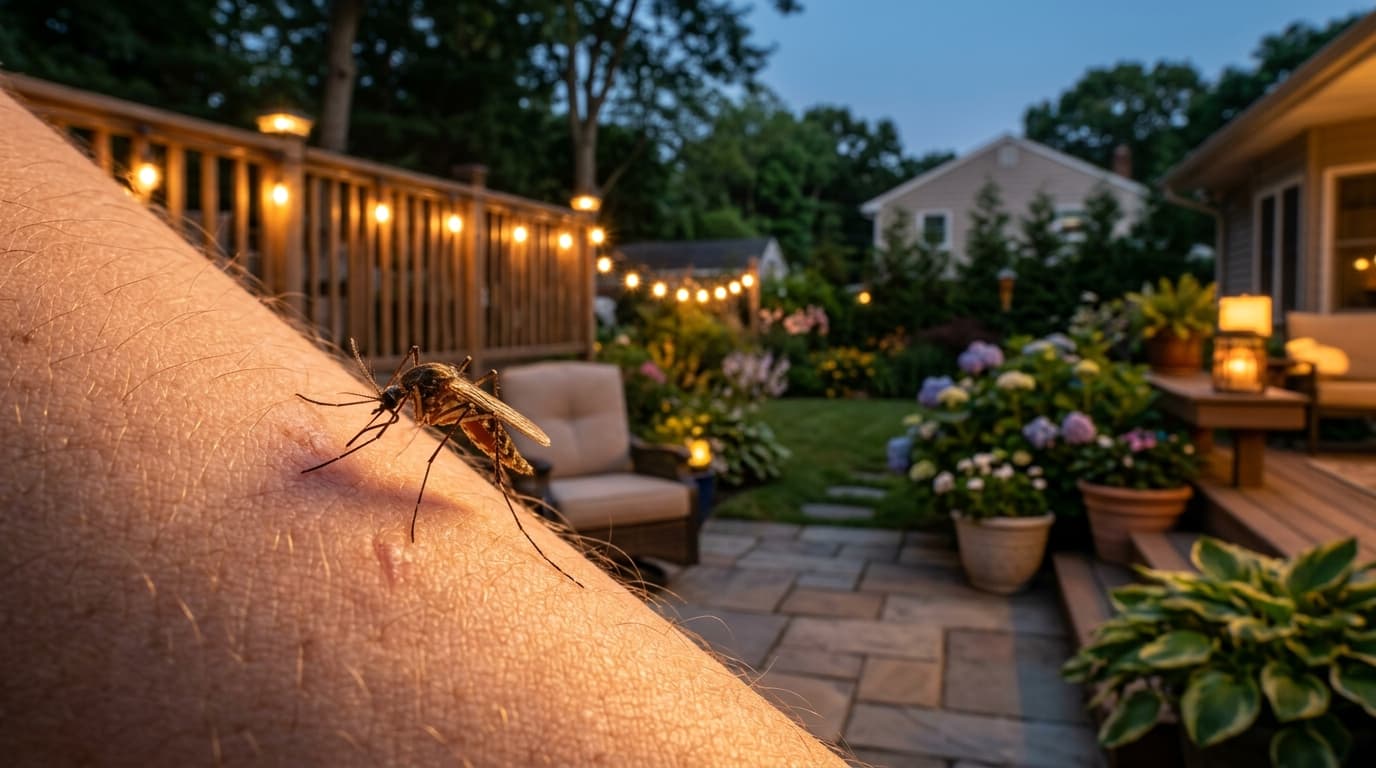
Understanding Mosquito-Borne Diseases on Long Island: A Homeowner's Guide
Mosquito-Borne Diseases: A Growing Concern on Long Island
As the warm summer months approach, Long Island residents eagerly anticipate outdoor activities. However, amidst the enjoyment lies a growing concern: mosquito-borne diseases. Understanding these risks and knowing how to protect yourself and your family is crucial.
Common Mosquito-Borne Diseases
Mosquitoes are not just annoying pests; they can transmit serious diseases. Here are some of the most common mosquito-borne illnesses affecting Long Island:
- West Nile Virus: This virus can lead to severe neurological disease and is primarily spread by Culex mosquitoes. Symptoms may include fever, headache, and, in severe cases, confusion or seizures.
- Eastern Equine Encephalitis (EEE): While rare, EEE is a potentially fatal disease that can cause brain inflammation. It is transmitted by mosquitoes found in marshy areas of Suffolk County.
- Zika Virus: Though not as prevalent in New York, Zika can still pose a risk, especially for pregnant women due to potential birth defects.
The Mosquito Lifecycle
Understanding the mosquito lifecycle can help homeowners combat these pests effectively. Mosquitoes undergo four stages: egg, larva, pupa, and adult. Warm, stagnant water is essential for breeding, making it crucial to eliminate standing water around your property.
Key Breeding Areas on Long Island
Common breeding sites include:
- Birdbaths: Change water every few days.
- Gutters: Ensure they are clear of debris.
- Potted plants: Empty saucers regularly.
- Pools: Maintain proper chemical balance and cover when not in use.
Prevention Tips for Homeowners
Here are practical steps to minimize the risk of mosquito bites and disease transmission this summer:
- Use repellents: Choose EPA-registered repellents containing DEET, picaridin, or oil of lemon eucalyptus.
- Wear protective clothing: Opt for long sleeves and pants, especially during dawn and dusk when mosquitoes are most active.
- Install screens: Ensure windows and doors have tight-fitting screens to keep mosquitoes out.
- Consider professional pest control: Regular treatments can significantly reduce mosquito populations around your home.
What to Do If You Get Bitten
If you’re bitten by a mosquito, it’s essential to monitor for symptoms of mosquito-borne diseases. Most bites result in mild irritation, but if you experience symptoms such as high fever, severe headache, or confusion, seek medical attention immediately.
Warning!
Mosquito-borne diseases can have serious health implications. Stay informed and take necessary precautions.
Conclusion
As a Long Island homeowner, staying informed about mosquito-borne diseases is vital for your family’s safety. By taking proactive measures and understanding the local mosquito population, you can enjoy your summer activities with peace of mind.
Contact Squito Pest Control
For expert pest control solutions and to minimize mosquito populations around your home, contact Squito Pest Control today. Your family's safety is our priority!