Does Mulch Attract Termites? Insights for Long Island Homeowners
As a Long Island homeowner, you may have heard varying opinions about mulch and its relationship with termites. This article will clarify the facts, helping you make informed decisions for your landscape and pest control strategies.
Understanding Termites and Their Preferences
Termites are notorious wood-destroying pests that thrive in environments where moisture is abundant and cellulose material is present. They primarily feed on wood, but they can also consume organic materials such as mulch. Understanding the behaviors and preferences of these pests is vital for effective prevention.
Does Mulch Attract Termites?
Yes, mulch can attract termites, particularly when it is made from organic materials like wood chips or bark. Termites are drawn to the cellulose in these materials, which can serve as a food source. However, it’s essential to note that mulch alone does not cause termite infestations; it merely creates an environment conducive to their presence.
Types of Mulch and Their Impact
- Wood Mulch: This type is the most likely to attract termites, especially if it is freshly chipped or contains untreated wood.
- Rubber Mulch: Made from recycled tires, rubber mulch does not contain cellulose and is less likely to attract termites.
- Stone Mulch: This inorganic option is a safe choice that termites typically avoid.
How to Minimize Termite Attraction
If you choose to use organic mulch for its aesthetic and functional benefits, here are some tips to minimize the risk of attracting termites:
- Keep Mulch Away from Foundations: Maintain a gap of at least 6 inches between mulch and your home's foundation to deter termites.
- Use Treated Mulch: Consider using mulch treated with insecticides or preservatives that repel termites.
- Limit Mulch Depth: Keep mulch layers no deeper than 2-3 inches to reduce moisture levels that attract termites.
- Regular Maintenance: Monitor mulch for signs of decay or pest activity, and replace it as needed.
Signs of Termite Infestation
Being proactive is crucial. Here are some signs that indicate a potential termite infestation:
- Mud Tubes: Look for small tunnels made from mud that termites use to travel between their nests and food sources.
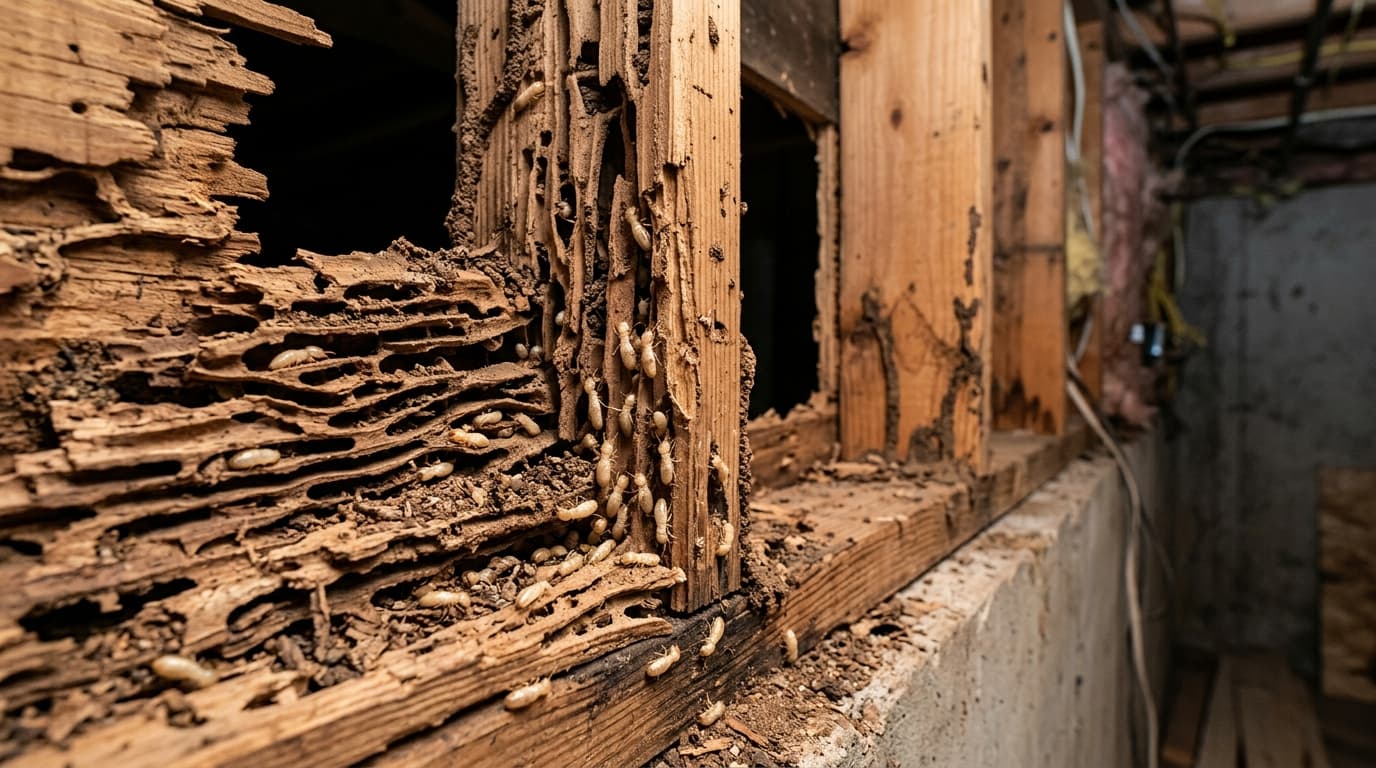
- Wood Damage: Hollow-sounding wood or wood that crumbles easily can indicate termite activity.
- Discarded Wings: Swarmers shed their wings; finding them around your home is a sign of an active colony.
Conclusion: Protecting Your Long Island Home
While mulch can attract termites, understanding how to manage it effectively allows you to enjoy its benefits without inviting pest problems. Regular inspection and maintenance are key to safeguarding your property.
Need Help with Termite Control?
At Squito Pest Control, we specialize in protecting homes in Long Island from termite infestations. Contact us today for a consultation and proactive pest management solutions!