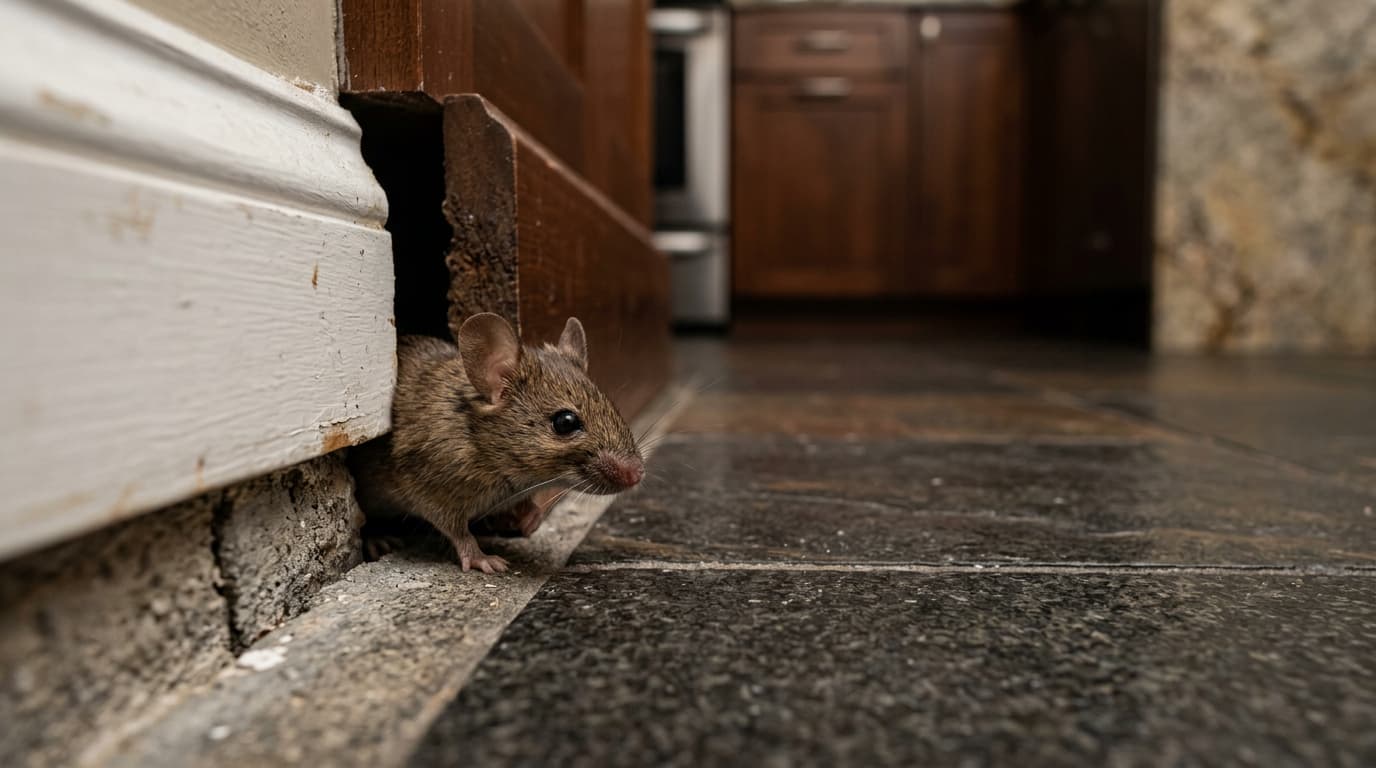
Rat vs. Mouse Droppings: Identification Guide for Long Island Homeowners
As a homeowner in Long Island, New York, one of your main concerns should be keeping your living space pest-free. Rodents, particularly rats and mice, can cause significant damage and pose health risks. One of the first signs of a rodent infestation is their droppings. In this guide, we will explore the differences between rat and mouse droppings, helping you identify which pest may be invading your home.
Understanding Rodent Droppings
Both rats and mice leave droppings as they travel through their environment, but these droppings can vary significantly in size, shape, and appearance. Being able to identify these droppings can help you determine the type of rodent present and the severity of the infestation.
Identifying Mouse Droppings
Mouse droppings are typically small, measuring about 1/8 to 1/4 inch in length. They are often described as being shaped like a grain of rice or a small pellet. Here are some key features of mouse droppings:
- Size: Small, 1/8 to 1/4 inch long
- Color: Dark brown or black
- Shape: Cylindrical with pointed ends
- Texture: Smooth and shiny when fresh, becoming dull as they dry
Mouse droppings are usually found in groups, often near food sources or nesting areas. If you notice these droppings in your Long Island home, it is crucial to take action before the infestation grows.
Identifying Rat Droppings
Rat droppings, on the other hand, are larger and can vary significantly in size depending on the species. Common rat droppings are roughly 3/4 to 1 inch long and have a more robust appearance. Here are the characteristics of rat droppings:
- Size: Larger, about 3/4 to 1 inch long
- Color: Dark brown to black
- Shape: Blunt ends with a thicker, more robust appearance
- Texture: Shiny when fresh, becoming dull as they age
Like mouse droppings, rat droppings are often found in clusters. However, they are typically located in areas where rats nest, such as basements, attics, or behind appliances.
Health Risks Associated with Rodent Droppings
Both rat and mouse droppings can carry diseases and pose health risks to you and your family. Some of the diseases associated with rodent droppings include:
- Hantavirus: A severe respiratory disease transmitted through contact with rodent droppings.
- Salmonella: Bacteria that can contaminate food and surfaces through droppings.
- Leptospirosis: A bacterial infection that can be acquired through contact with contaminated water or surfaces.
If you discover droppings in your Long Island home, it’s crucial to handle them with care and take necessary precautions.
How to Safely Clean Up Rodent Droppings
If you find droppings, it’s essential to clean them up safely to prevent any health risks:
- Wear gloves: Always wear disposable gloves when handling droppings.
- Use disinfectant: Spray the droppings with a disinfectant before cleaning them to reduce the risk of disease transmission.
- Dispose properly: Seal droppings in a plastic bag and dispose of them in the trash.
- Wash hands: Wash your hands thoroughly after cleaning up droppings.
Contact Squito Pest Control
If you suspect a rodent infestation in your Long Island home, don’t hesitate to contact Squito Pest Control. Our team of experts is ready to help you protect your home from pests.
Conclusion
Identifying rodent droppings is a crucial step in addressing a potential pest problem in your Long Island home. Understanding the differences between rat and mouse droppings can help you take swift action to eliminate the infestation and safeguard your family’s health. If you need assistance, remember that Squito Pest Control is just a call away.