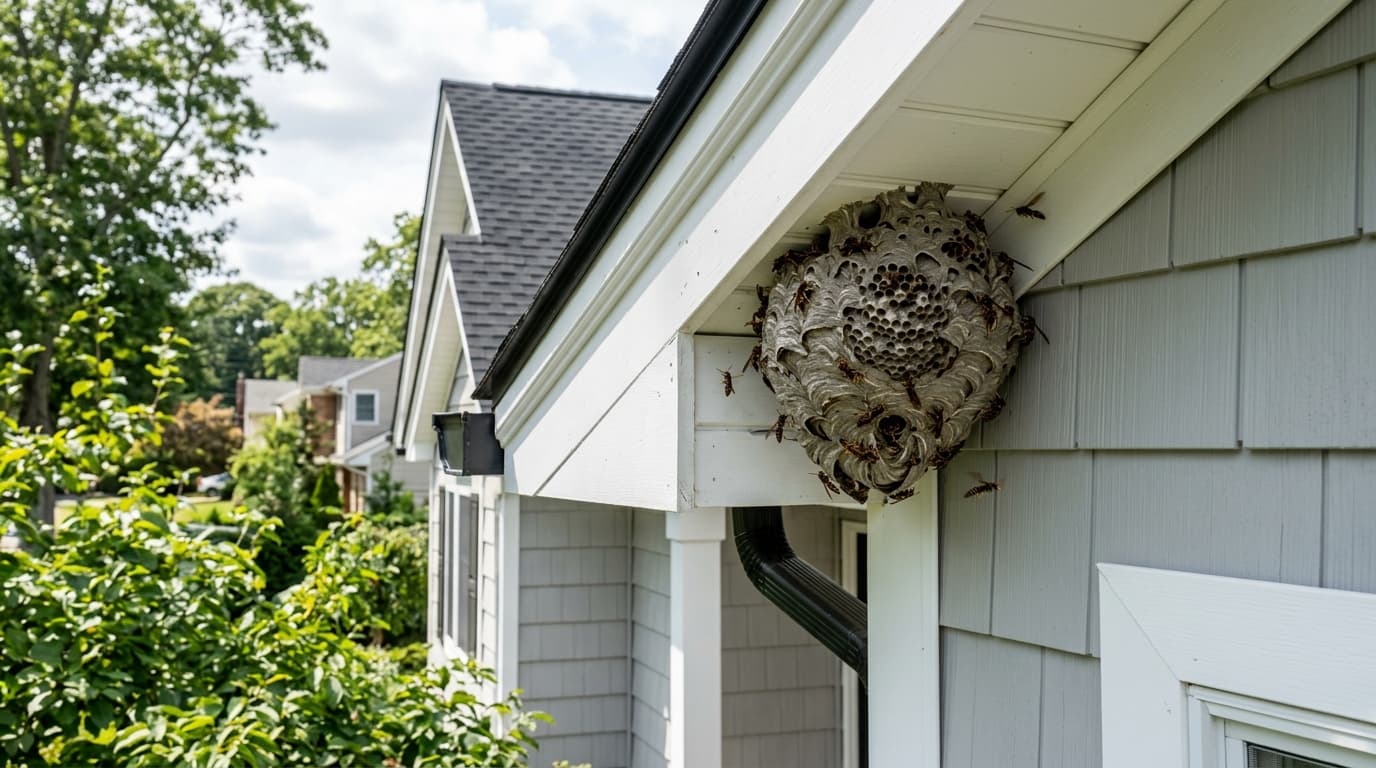
Essential Wasp Nest Removal Safety Guide for Long Island Homeowners
Wasp nests can be a nuisance for Long Island homeowners, especially during the warmer months. While it might be tempting to tackle the removal yourself, safety should always be your priority. This guide provides essential safety tips and procedures for wasp nest removal, ensuring you can handle the situation effectively and safely.
Understanding the Risks of Wasp Nests
Wasp stings can be painful and, in some cases, life-threatening, especially for those who are allergic. Knowing how to identify wasps and their nests is crucial before attempting removal. Common wasp species in Long Island include:
- Yellowjackets: Typically found in the ground or in wall voids.
- Paper Wasps: Recognizable by their umbrella-shaped nests hanging from eaves.
- Bald-Faced Hornets: Black and white wasps that build aerial nests.
When to Call a Professional
If you notice a large nest or have a known allergy to wasp stings, it’s best to contact a pest control professional like Squito Pest Control. We have the expertise and equipment to handle wasp nest removal safely.
DIY Safety Tips for Wasp Nest Removal
If you choose to remove a wasp nest yourself, follow these safety tips:
- Wear Protective Clothing: Long sleeves, pants, gloves, and a face veil can protect you from stings.
- Choose the Right Time: Early morning or late evening when wasps are less active is the best time for removal.
- Keep a Safe Distance: Use a spray specifically designed for wasp removal from a safe distance of at least 10-15 feet.
- Have an Escape Route: Always plan your exit route before approaching the nest.
- Use Caution with Nest Size: Larger nests can indicate a more aggressive colony; consider professional help.
How to Remove a Wasp Nest
If you’re confident in your safety measures and decide to proceed, here’s a step-by-step guide:
- Prepare Your Equipment: Gather insecticide spray, a ladder (if necessary), and protective clothing.
- Apply Insecticide: Stand at a safe distance and spray the nest thoroughly, targeting the entrance.
- Wait and Observe: Allow time for the insecticide to work (usually a few hours).
- Remove the Nest: Once you’re sure the wasps are gone, carefully remove the nest using a garbage bag.
- Dispose Properly: Seal the nest in the bag and dispose of it away from your home.
Post-Removal Precautions
After removal, keep an eye out for any returning wasps. If you notice activity, it may indicate a secondary nest or an aggressive species. Consider contacting Squito Pest Control for follow-up inspections.
Contact Squito Pest Control Today!
For safe, effective wasp nest removal and peace of mind, reach out to Squito Pest Control. Our expert team is ready to help you protect your Long Island home.
Warning!
Attempting to remove a wasp nest can be dangerous. If you're unsure or allergic, contact a professional.