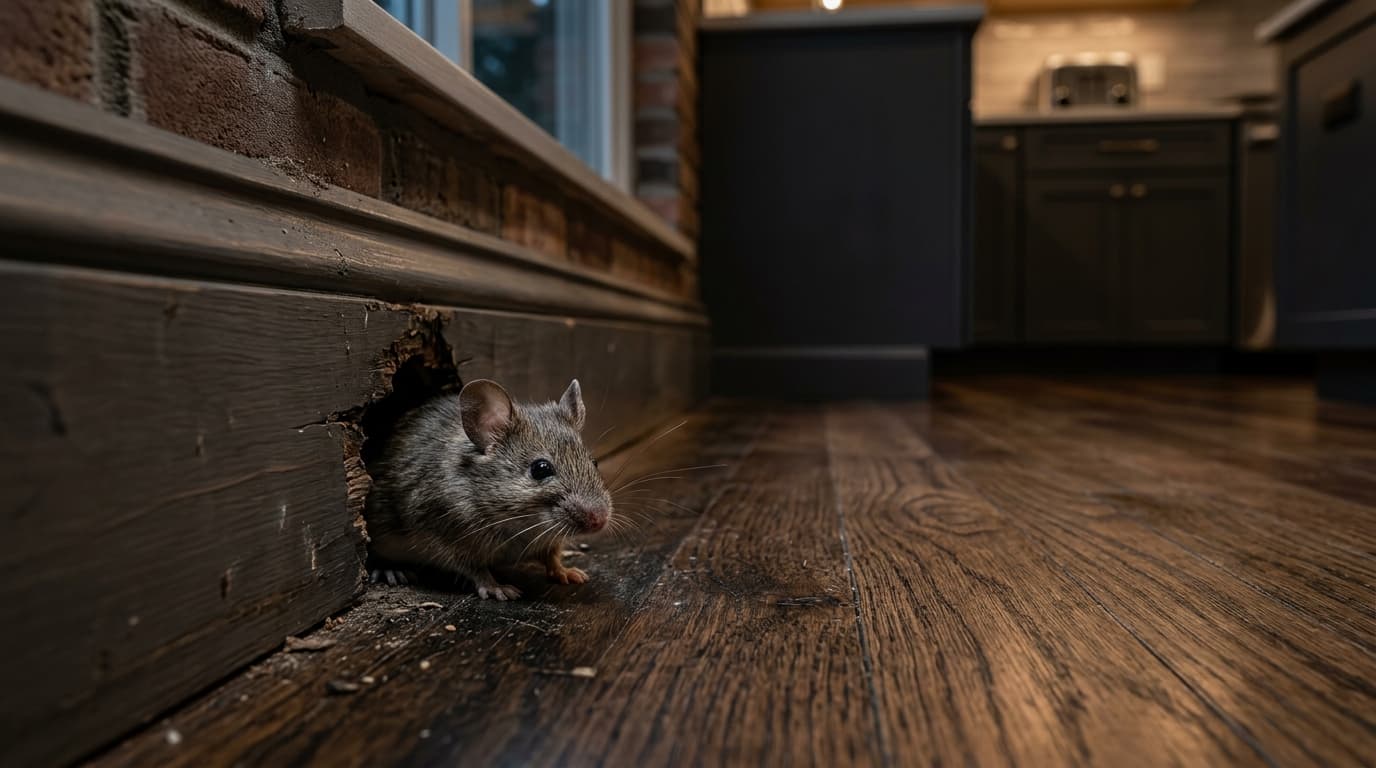
Signs of a Rodent Infestation: What Long Island Homeowners Need to Know
Rodent infestations are a common concern for homeowners in Long Island, NY. Whether you live in Nassau or Suffolk County, understanding how to identify signs of these unwelcome guests is crucial to maintaining a safe and healthy home. In this guide, we’ll explore the telltale signs of a rodent infestation and what steps you can take to address the issue.
Why Rodents Are a Problem
Rodents, including mice and rats, are not just a nuisance; they can pose serious health risks to you and your family. They can carry diseases, contaminate food, and cause property damage. Long Island's suburban environment can provide the perfect habitat for these pests, making it essential for homeowners to stay vigilant.
Signs of a Rodent Infestation
Recognizing the early signs of a rodent problem can help you take action before the situation worsens. Here are some common indicators:
- Droppings: Finding small, dark droppings, especially near food sources or nesting areas, is one of the most obvious signs of rodents.
- Gnaw Marks: Look for gnaw marks on furniture, walls, or food packaging. Rodents have strong teeth that can chew through various materials.
- Nesting Materials: If you notice shredded paper, fabric, or other materials in hidden corners, it could be a sign of nesting.
- Strange Noises: Listen for scratching or scurrying sounds, especially at night when rodents are most active.
- Footprints and Tracks: You may spot tiny footprints in dusty areas, or paw prints in mud or dirt.
- Odor: A musty odor can sometimes indicate a rodent infestation, especially if it comes from hidden areas.
Where to Look
In Long Island homes, rodents prefer to nest in warm, sheltered areas. Check the following locations:
- Attics and Basements: These spaces are often undisturbed, making them ideal for nesting.
- Behind Appliances: The space behind your refrigerator, stove, or washer can provide easy access to food and shelter.
- Crawl Spaces: Unsealed crawl spaces can allow rodents to enter your home easily.
- Wall Cavities: Rodents can squeeze through small openings, making your walls a potential nesting site.
What to Do Next
If you suspect a rodent infestation, it’s essential to act quickly:
- Seal Entry Points: Inspect your home for gaps and cracks, and seal them to prevent rodents from entering.
- Keep Food Stored Properly: Use airtight containers to store food and keep your kitchen clean.
- Set Traps: Use traps to catch any rodents you suspect are present, but be sure to follow local regulations.
- Contact Professionals: If the infestation is severe or you’re uncomfortable handling it, contact a pest control company like Squito Pest Control.
Warning!
Rodents can pose serious health risks. Don’t wait too long to address the issue.
Preventing Future Infestations
Once you've resolved a rodent issue, it’s crucial to take steps to prevent future infestations:
- Regular Inspections: Regularly check your home for signs of rodents.
- Maintain Landscaping: Keep your yard free of debris and trim bushes close to your home.
- Educate Family Members: Make sure everyone in your household knows what to look for.
Need Help?
If you suspect you have a rodent infestation, contact Squito Pest Control for expert assistance. Our team is ready to help you reclaim your home!