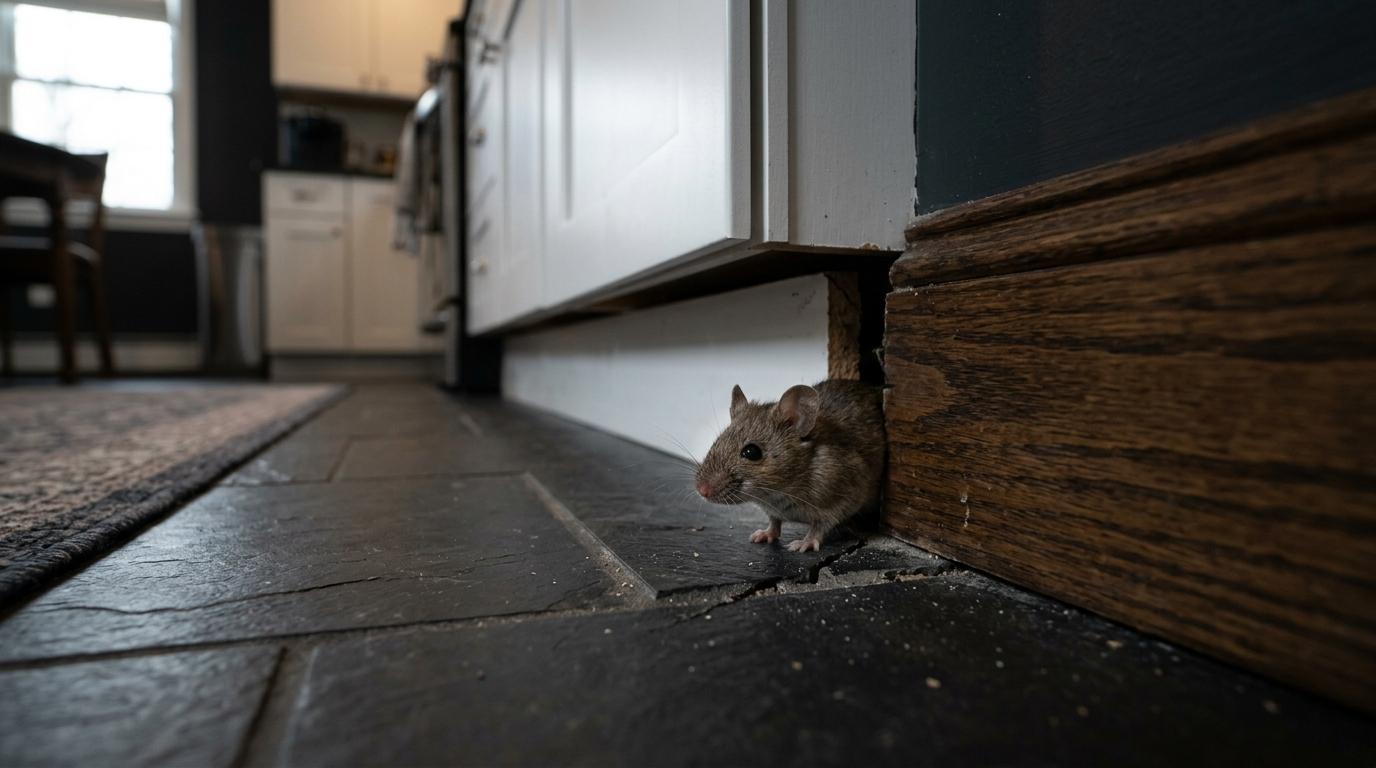
Signs of a Rodent Infestation: How to Identify and Act Fast
Rodents are more than just a nuisance; they can pose serious health risks and damage your home. If you suspect that your Long Island home may be harboring these unwelcome guests, it’s time to understand the signs of a rodent infestation and take action.
Common Signs of a Rodent Infestation
Rodents can be elusive and often hide in areas that are not easily visible. However, there are several telltale signs that can help you identify their presence:
- Droppings: One of the most obvious signs of a rodent infestation is finding droppings. Mouse droppings are small, dark, and oval-shaped, while rat droppings are larger and more pointed.
- Gnaw Marks: Rodents have continuously growing teeth and will gnaw on various materials, including wood, plastic, and even electrical wiring. Look for bite marks or shredded materials.
- Nests: Rodents build nests using shredded paper, fabric, or insulation. Check hidden areas in your home, such as attics, basements, and crawl spaces.
- Strange Noises: If you hear scratching, scurrying, or squeaking sounds, especially at night, it could indicate rodents are moving around in your walls or ceiling.
- Footprints: In dusty areas, you may find tiny footprints or tail marks. If you suspect rodents, sprinkle some flour or cornmeal in a hidden spot to track their movements.
Identifying the Type of Rodent
On Long Island, homeowners typically deal with two common types of rodents: mice and rats. Here’s how to differentiate between them:
- House Mouse: Small, usually 2.5 to 4 inches long, with large ears and a long tail. They prefer to nest in hidden areas close to food sources.
- Norway Rat: Larger, about 8 to 10 inches long, with a stocky body, blunt nose, and short tail. They often nest in basements or burrow in the ground.
Health Risks Associated with Rodents
Rodents can carry diseases that pose significant health risks to humans. Some diseases transmitted by rodents include:
- Hantavirus: A serious respiratory disease transmitted through rodent droppings and urine.
- Leptospirosis: A bacterial infection that can cause liver and kidney damage.
- Salmonella: Can be transmitted through contact with rodent droppings, leading to food poisoning.
Steps to Take if You Suspect an Infestation
If you notice signs of a rodent infestation, it’s essential to take immediate action:
- Seal Entry Points: Inspect your home for gaps and cracks where rodents can enter. Seal these openings with caulk or steel wool.
- Eliminate Food Sources: Store food in airtight containers, clean up crumbs, and promptly dispose of garbage.
- Set Traps: If you’re comfortable doing so, use traps to catch rodents. Choose between snap traps or humane traps based on your preference.
- Call a Pest Control Professional: If the infestation is severe or you’re unsure of how to handle it, contact a professional pest control service like Squito Pest Control.
Preventing Future Infestations
Once you’ve dealt with a rodent infestation, take proactive measures to prevent future issues:
- Regular Inspections: Periodically check your home for signs of rodents, especially in basements and attics.
- Maintain Cleanliness: Keep your home clean and clutter-free to reduce hiding spots for rodents.
- Landscape Management: Trim trees and shrubs that are close to your home, as these can provide easy access for rodents.
Need Help? Contact Squito Pest Control!
If you suspect a rodent infestation in your Long Island home, don't wait. Contact Squito Pest Control for a thorough inspection and effective treatment options.
Warning: Rodent Problems Can Escalate!
Ignoring the signs of a rodent infestation can lead to more significant issues. Ensure your home is safe and pest-free!