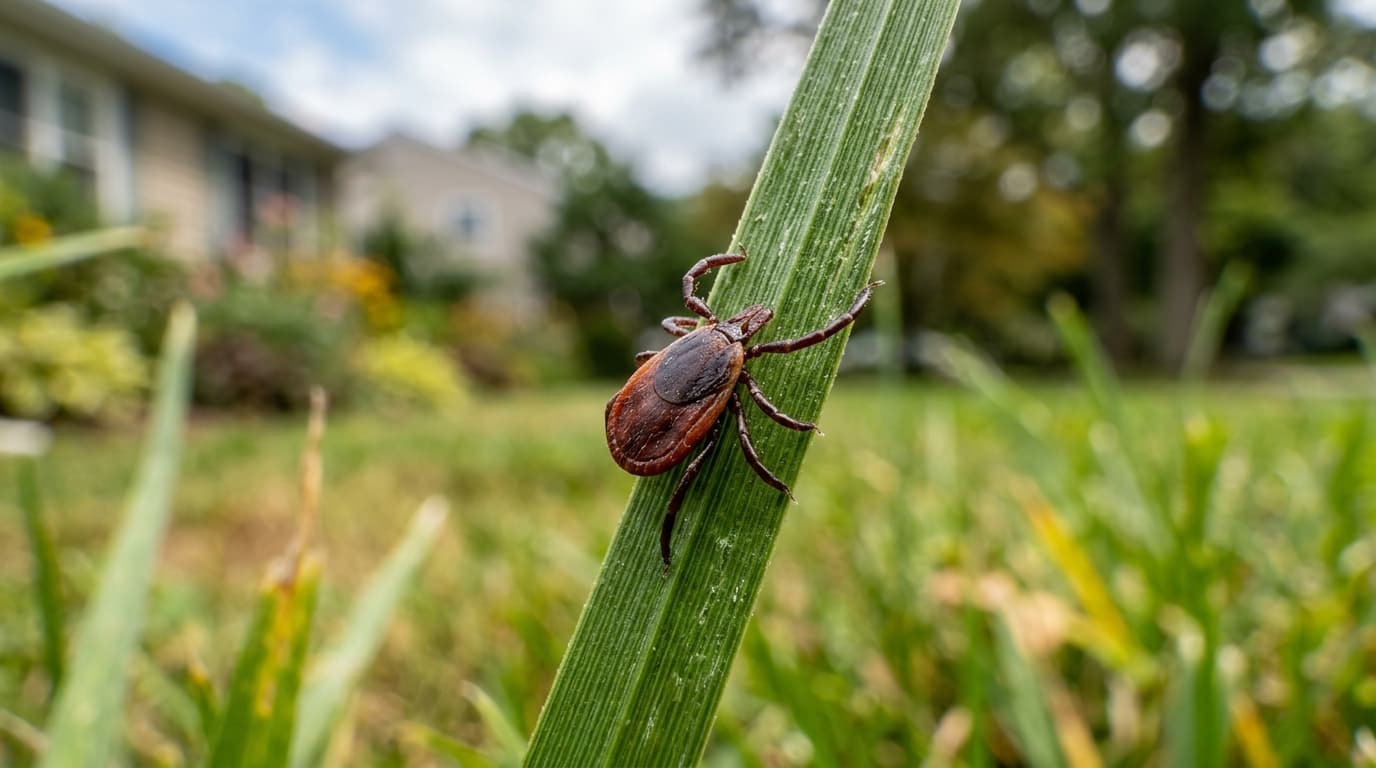
Protecting Long Island: Understanding Lyme Disease and Ticks
As a resident of Long Island, the beauty of our natural landscapes is undeniable. However, with the allure of hiking trails and lush backyards comes the risk of tick-borne diseases, particularly Lyme disease. Understanding this disease and how to prevent it is crucial for the health and safety of you and your family.
What is Lyme Disease?
Lyme disease is an infectious disease caused by the bacterium Borrelia burgdorferi, which is transmitted to humans through the bite of infected black-legged ticks, commonly known as deer ticks. These ticks thrive in wooded and grassy areas, making outdoor activities on Long Island a potential risk.
Symptoms of Lyme Disease
Early detection of Lyme disease is essential for effective treatment. Symptoms typically appear within 3 to 30 days after a tick bite and may include:
- Erythema migrans: A distinctive red rash that can appear at the site of the tick bite, often resembling a "bull's-eye".
- Flu-like symptoms: Fever, chills, fatigue, and muscle aches.
- Joint pain: Swelling and pain in the joints, particularly in the knees and elbows.
- Neurological issues: Numbness, tingling, or weakness in the limbs, and sometimes severe headaches.
The Importance of Tick Awareness on Long Island
Long Island has seen a rise in Lyme disease cases over the past few years. According to the New York State Department of Health, the number of reported cases has increased significantly, emphasizing the need for awareness and preventive measures. The peak season for tick activity usually runs from spring through fall, making this the critical time to be vigilant.
Preventing Tick Bites
Taking proactive steps to prevent tick bites is vital for long-term health. Here are some practical tips for Long Island homeowners:
- Stay on trails: When hiking or walking in wooded areas, stick to cleared paths and avoid tall grasses.
- Wear protective clothing: Long sleeves, pants, and closed-toe shoes can minimize skin exposure.
- Use repellents: Apply EPA-approved insect repellents containing DEET on exposed skin and clothing.
- Check for ticks: After outdoor activities, thoroughly check yourself, children, and pets for ticks.
- Maintain your yard: Keep grass short, remove leaf litter, and create a barrier of wood chips or gravel between your lawn and wooded areas.
What to Do if You Find a Tick
If you discover a tick attached to your skin, it’s crucial to remove it promptly and correctly. Use fine-tipped tweezers to grasp the tick as close to the skin's surface as possible and pull upward with steady, even pressure. Clean the bite area and your hands with rubbing alcohol or soap and water.
Monitor for any signs of illness in the weeks following the bite. If you develop symptoms or if the tick was attached for more than 24 hours, contact your healthcare provider for advice.
Warning: Lyme Disease Can Have Serious Consequences
Ignoring symptoms or delaying treatment can lead to more severe health complications, including chronic joint pain and neurological problems. Stay informed and proactive!
Squito Pest Control: Your Partner in Prevention
At Squito Pest Control, we understand the unique pest challenges faced by Long Island homeowners. Our expert team is dedicated to helping you manage tick populations and reduce the risk of Lyme disease.
Contact Us Today!
Don’t wait until it’s too late! Reach out to Squito Pest Control for a comprehensive tick management plan tailored to your home and lifestyle. Your family’s safety is our top priority!