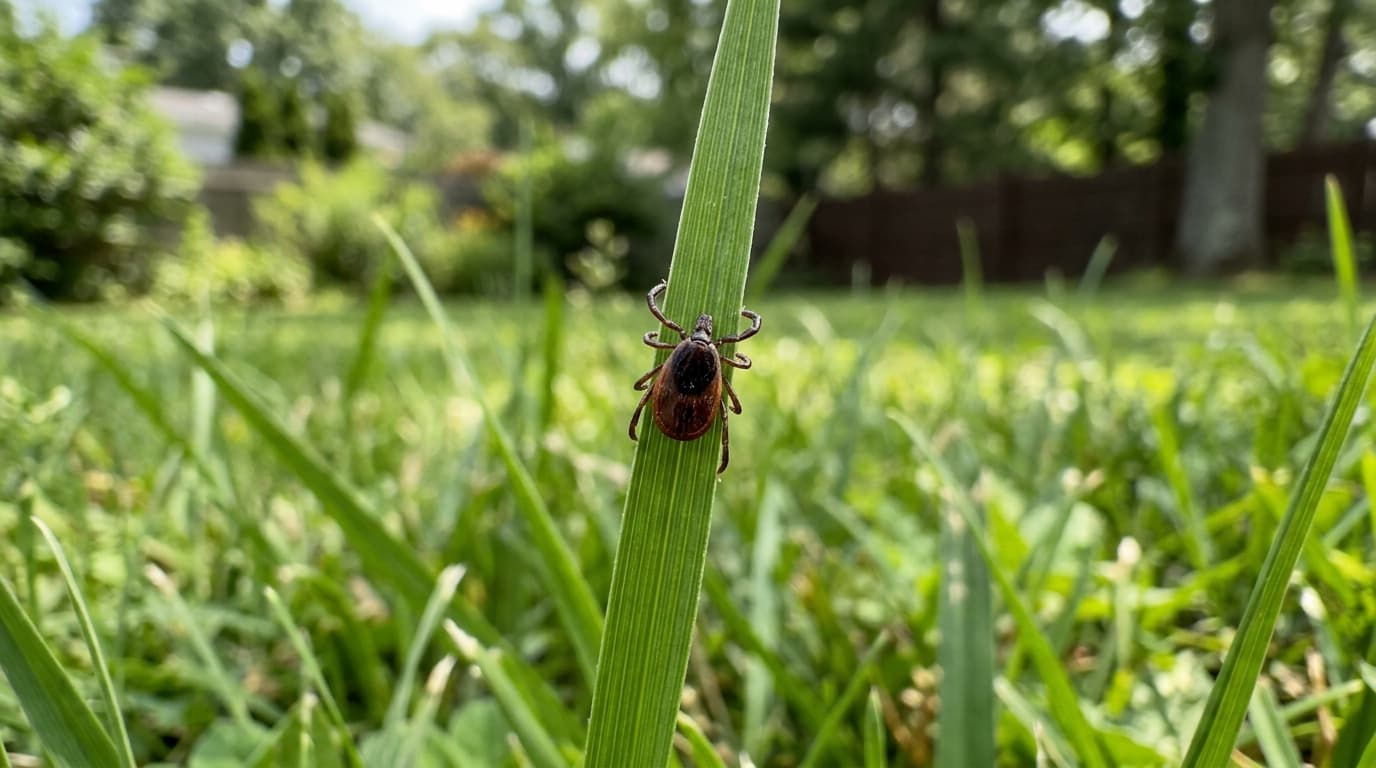
Essential Tick Prevention Tips for Long Island Summers
As summer approaches, Long Island residents look forward to outdoor activities, but it’s crucial to remember that the warm weather also brings an increase in tick populations. Ticks are more than just a nuisance; they can carry serious diseases that affect both humans and pets. This guide will provide you with essential tick prevention tips to enjoy a safe summer on Long Island.
Understanding Ticks on Long Island
Ticks are small arachnids that thrive in wooded and grassy areas, making Long Island’s parks and backyards prime locations for their activity. There are several species of ticks in our area, but the two most common are the black-legged tick (also known as the deer tick) and the lone star tick. Both can transmit diseases like Lyme disease, Rocky Mountain spotted fever, and anaplasmosis.
Why Tick Prevention is Critical
Given the serious health risks associated with tick bites, prevention is key. Lyme disease is particularly prevalent in Long Island, with a reported 1,500 cases annually. Understanding how to protect yourself and your family from ticks is essential, especially during the peak months of May through August.
Tips for Effective Tick Prevention
- **Wear Protective Clothing**: When venturing into tick-prone areas, wear long sleeves and long pants. Tucking your pants into your socks can provide an extra barrier.
- **Use Tick Repellents**: Apply insect repellent that contains at least 20-30% DEET on exposed skin. For clothing, consider using permethrin-treated fabrics.
- **Stay on Trails**: When hiking or walking in nature, stick to the center of trails and avoid brushing against tall grass and shrubs.
- **Create a Tick-Safe Zone**: In your yard, keep the grass short and remove leaf litter and tall weeds to minimize tick habitats.
- **Check for Ticks After Outdoor Activities**: After spending time outdoors, conduct a thorough tick check on yourself, your children, and your pets.
Pet Precautions Against Ticks
If you have pets, they are susceptible to ticks as well. Here are some essential steps to protect your furry friends:
- **Regular Vet Visits**: Ensure your pets are up to date with tick prevention medications prescribed by your veterinarian.
- **Grooming**: Regularly groom your pets and check for ticks, especially after outdoor activities.
- **Limit Outdoor Time During Peak Tick Activity**: Try to keep your pets indoors during peak tick hours, typically early morning and late evening.
What to Do if You Find a Tick
If you discover a tick on yourself or your pet, remove it promptly and correctly to reduce the risk of disease transmission. Use fine-tipped tweezers to grasp the tick as close to the skin’s surface as possible and pull upward with steady, even pressure. Clean the bite area and your hands with rubbing alcohol, an iodine scrub, or soap and water.
Seek Medical Attention
If you develop symptoms such as fever, rash, or joint pain after a tick bite, consult a healthcare provider promptly.
Contact Squito Pest Control
Preventing ticks is essential for your health and well-being during the summer months on Long Island. At Squito Pest Control, we specialize in effective pest management solutions tailored to your home. Our expert team can help assess your property for ticks and provide treatment options to keep your family safe.
Reach Out to Us Today!
For professional tick control services in Long Island, contact Squito Pest Control. Let us help you enjoy a tick-free summer!