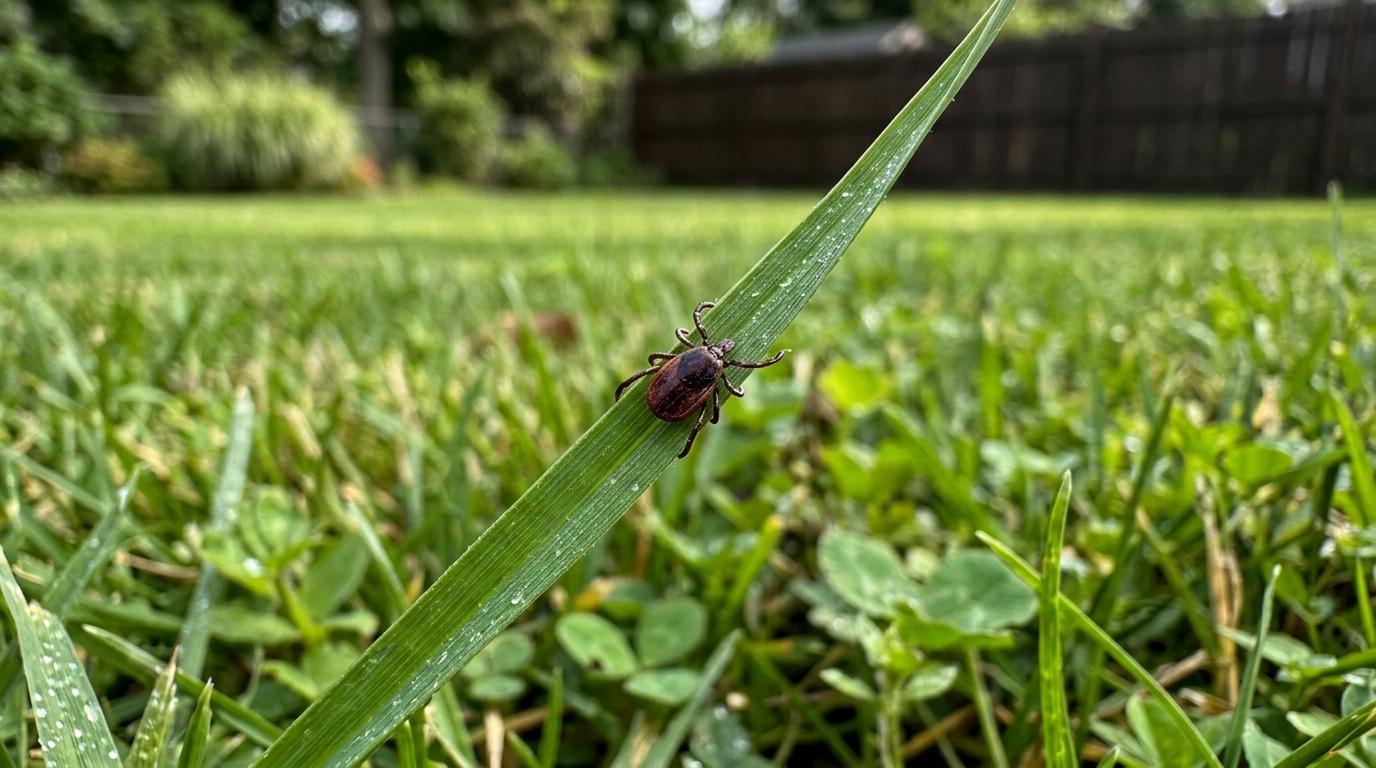
Ultimate Guide to Tick Prevention This Summer on Long Island
Understanding Ticks in Long Island
As summer unfolds on Long Island, so does the risk of tick encounters. These tiny pests are more than just a nuisance; they can transmit serious diseases such as Lyme disease and Rocky Mountain spotted fever. Understanding tick behavior and habitats is essential for effective prevention.
Common Tick Species Found on Long Island
Long Island is home to several tick species, but the most common include:
- Black-legged tick (Deer tick): Known for transmitting Lyme disease, these ticks are prevalent in wooded areas.
- Lone Star tick: Recognized by the white dot on its back, this tick can cause various illnesses, including STARI.
- American dog tick: Commonly found in grassy areas, these ticks can transmit diseases like Rocky Mountain spotted fever.
How to Prevent Tick Bites This Summer
Here are actionable tips to minimize tick exposure while enjoying the outdoors this summer:
1. Dress Appropriately
When venturing into wooded or grassy areas, wear long sleeves, long pants, and closed-toe shoes. Light-colored clothing makes it easier to spot ticks.
2. Use Tick Repellents
Apply EPA-approved tick repellents that contain DEET, picaridin, or oil of lemon eucalyptus on exposed skin. Treat clothing with permethrin for added protection.
3. Create a Tick-Safe Zone
In your yard, keep grass mowed, remove leaf litter, and create barriers of wood chips or gravel between wooded areas and lawn spaces to deter ticks.
4. Check for Ticks
After spending time outdoors, conduct a thorough tick check on yourself, your children, and pets. Pay special attention to areas like underarms, behind ears, and between legs.
5. Regular Pet Care
Keep your pets protected with veterinarian-recommended tick prevention treatments. Regularly check them for ticks after outdoor activities.
What to Do If You Find a Tick
If you discover a tick on your body or a pet, remove it promptly using fine-tipped tweezers. Grasp the tick as close to the skin as possible and pull upward with steady pressure. Clean the bite area with soap and water. Monitor for any signs of illness over the next few weeks.
Stay Vigilant!
If you develop a rash or flu-like symptoms after a tick bite, consult a healthcare professional immediately.
Professional Tick Control Services
For Long Island homeowners looking for comprehensive tick control solutions, consider professional pest management services. A pest control expert can assess your property, implement effective treatments, and provide guidance on ongoing prevention strategies.
Contact Squito Pest Control Today!
Don't let ticks ruin your summer fun! Reach out to Squito Pest Control for expert tick prevention and control services tailored to Long Island residents.